
Mental Health (FROM STRESS TO STRENGTH.Fighting Depression and Building Resilience in Daily Life.)
By Psychologist. Lilian Mathew, Published on November 16, 2025
Introduction
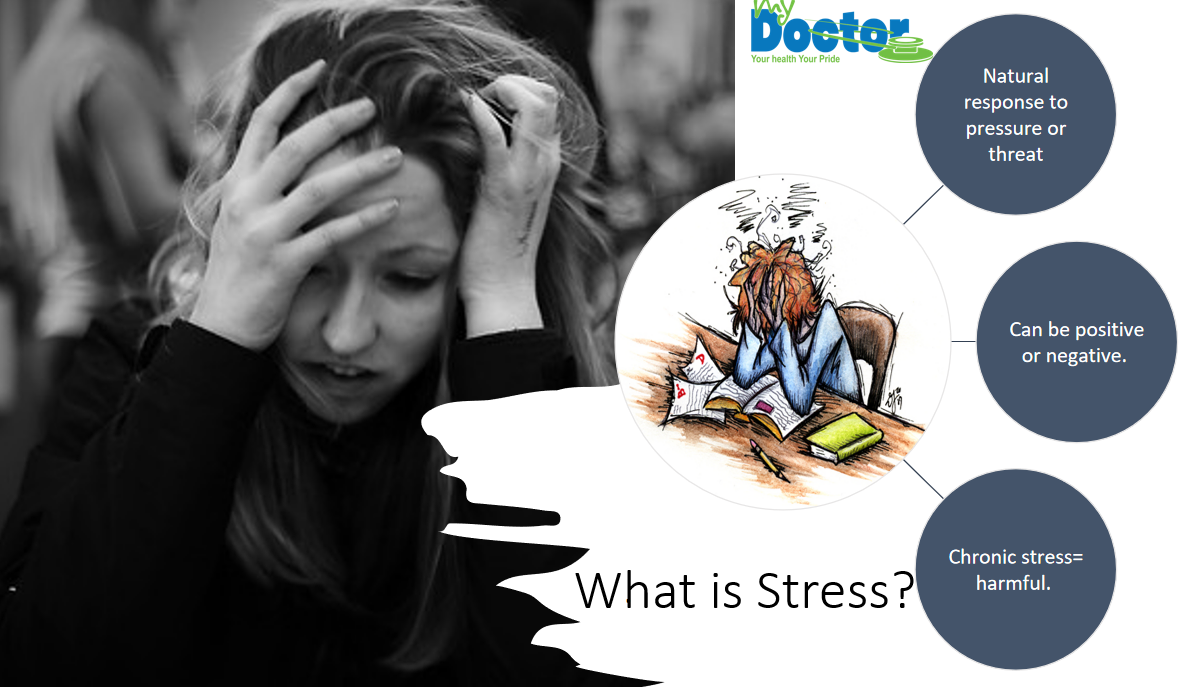
Modern life places constant pressure on individuals, and when stress becomes overwhelming, it can gradually lead to depression. Many people silently battle emotional fatigue, low motivation, and constant worry without knowing how to cope. Understanding how stress develops—and learning practical ways to transform it into inner strength—can empower individuals to live healthier, more resilient lives.
Main Content
Stress becomes harmful when it accumulates without healthy outlets, affecting mood, sleep, productivity, and personal relationships. Depression often follows when negative thoughts, isolation, and exhaustion go unaddressed. However, building resilience is possible through intentional habits such as seeking social support, maintaining physical activity, practicing mindfulness, and setting realistic goals. Small daily actions—journaling, talking to a trusted friend, taking breaks, or engaging in meaningful activities—can reduce emotional load.
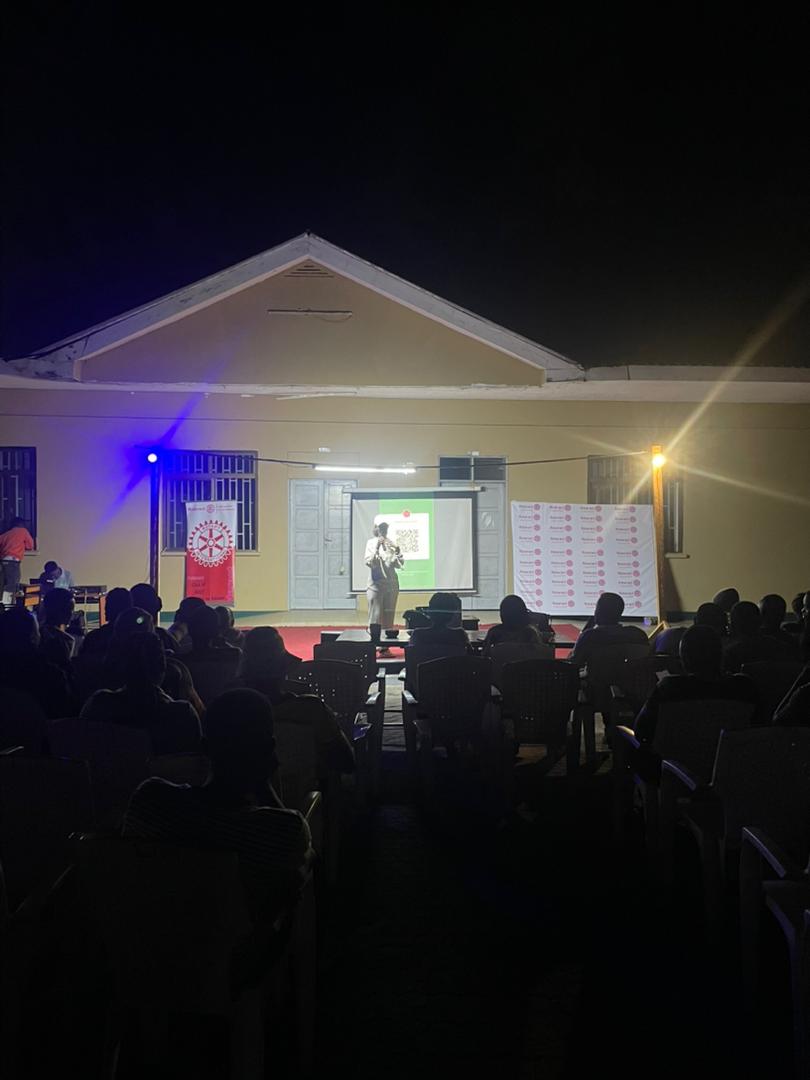
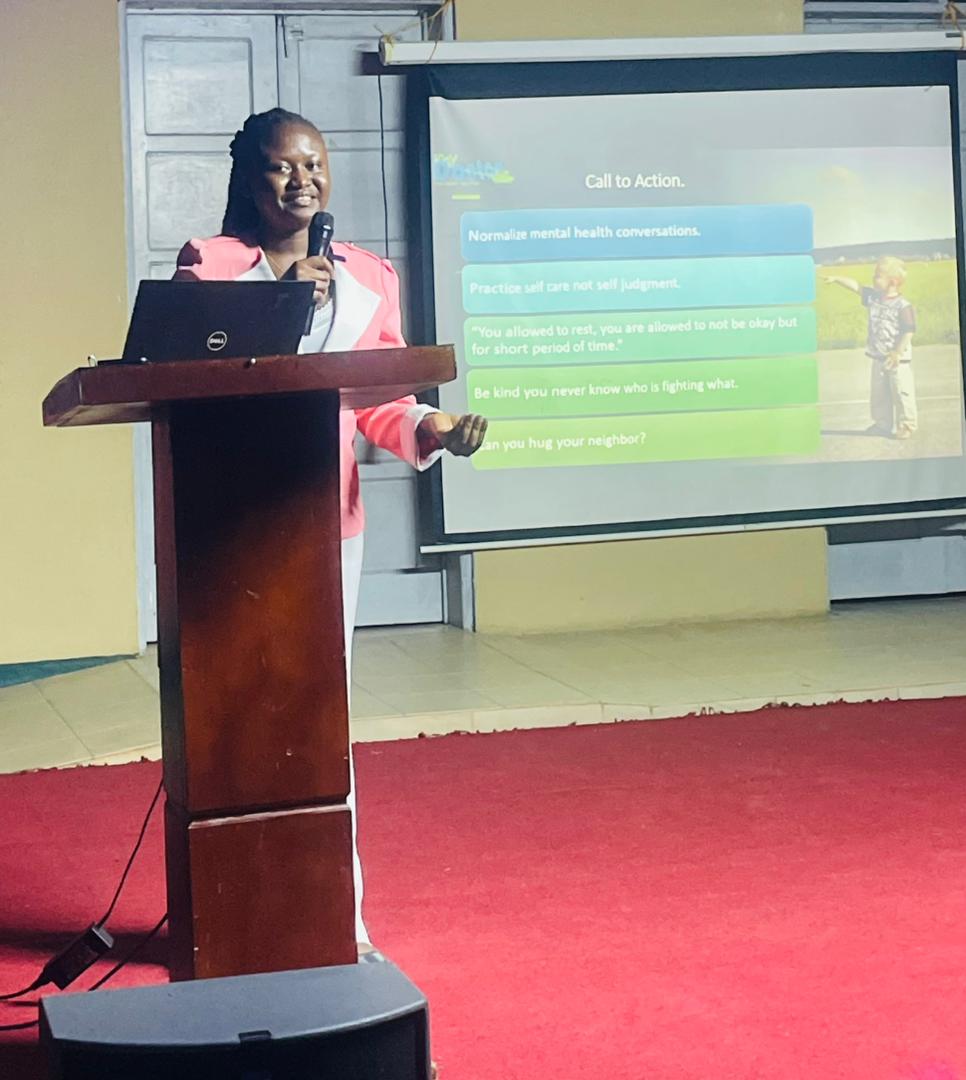
Professional help, including therapy or counseling, also plays a vital role in understanding personal triggers and developing long-term coping strategies. Communities, families, and workplaces can further support mental well-being by promoting open conversations and reducing stigma around mental health challenges.
Conclusion
Transitioning from stress to strength is a gradual but achievable journey. By recognizing early signs, embracing healthy coping mechanisms, and seeking support when needed, individuals can overcome the weight of depression and build lasting resilience. With awareness and consistent effort, everyone has the potential to turn emotional struggles into a foundation for personal growth and a stronger, healthier life.
Frequently Asked Questions (FAQs)
What is the difference between stress and depression?
Stress is the body’s natural response to pressure and usually improves once the stressful situation ends, while depression is a longer-lasting emotional condition that affects mood, thoughts, and daily functioning. Stress may trigger depression if it becomes overwhelming and unmanaged.
How can someone tell if their stress is turning into depression?
Warning signs include persistent sadness, loss of interest in activities, changes in sleep or appetite, constant fatigue, irritability, and difficulty concentrating. When these symptoms last for more than two weeks and interfere with daily routines, it may indicate depression.
What practical steps can individuals take to build resilience?
Resilience can be strengthened through habits like regular exercise, mindfulness or prayer, talking to supportive people, journaling emotions, setting small achievable goals, and maintaining a balanced routine. Seeking professional counseling also helps develop strong personal coping skills.
When should someone seek professional help?
A person should seek help when feelings of sadness, hopelessness, or anxiety persist, when daily tasks become difficult, or when harmful thoughts appear. Early support from a doctor, counselor, or therapist can prevent the condition from worsening and speed up recovery.